

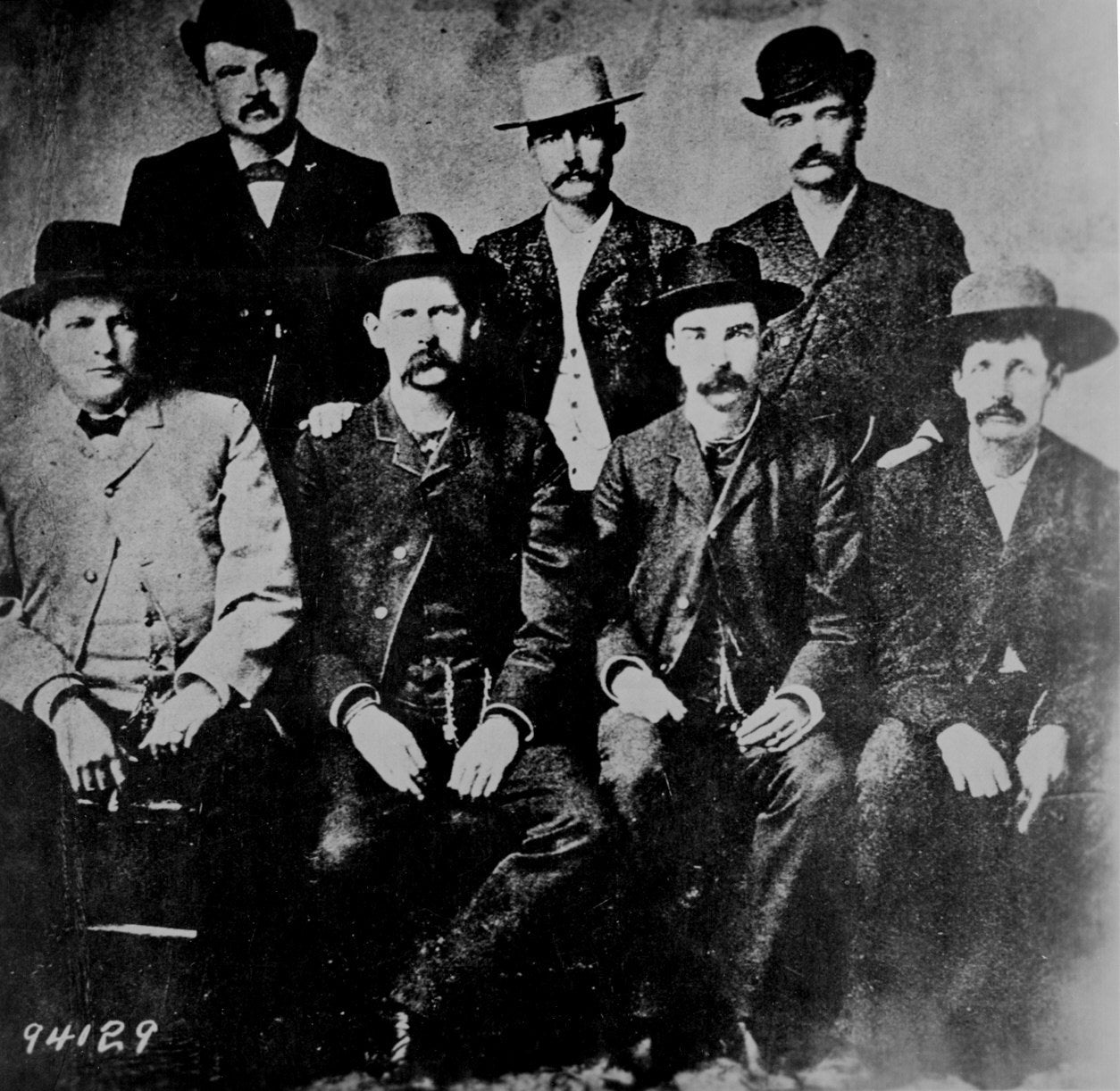
When you think of "bandoliers", what comes to mind?
A leather gunbelt, shiny brass bullets ready to be slotted into a lawman's trusty repeater in the old west? A Schwarzenegger-esque action hero with enough shotgun shells to make even the DOOM guy start sweating? Maybe a belt of ammo slung over a Draftee's shoulders in the Jungles of Nam?

Bandoliers of all kinds have been around since the very dawn of firearms themselves. A necessary way to carry ammo, cleaning supplies, and even a litany of explosives. In fact, the "chest rigs" you may know and love these days can trace their lineage back to bandoliers.
Why? Well, There's an age-old adage: Ammunition wins wars.
All wars are at the end of the day, a game of "who has the better logistics" whether it's Napoleon's army being stretched thin, Allies steamrolling the Axis powers with an unfathomable amount of Sherman tanks, or the US's bottomless defense budget in general.
Ammo-carrying on the infantryman became a chief logistical concern in no time: how was a man on horseback supposed to carry a rucksack full of ammo or perform the complicated loading process involved with black powder? He couldn't. But he should be able to, right? Having ammo in cartridges on bandolier and repeaters with side-gate loading proved to be an instant gamechanger for lawmen and soldiers alike in the late 1800s.
Cavalry guns like the Krag-Jørgensen were designed with horseback bandolier use in mind — simply open the chamber, dump rounds into the internal magazine one by one from your bandolier, and you're ready to rock - no stripper clips necessary.

the more that war became "on the move" the more troop-to-troop logistics became important.
Sure, as early as WW2 we already saw the transformation of the bandolier into a proper "chest rig" - harnesses with plenty of pockets for extra ammo and supplies started to appear after "grenadier" vests inspired the Chinese communists to birth the SKS rig for stripper clips and of course the standard "chicom" rig. The rest of the tale on the chest rig side of things is, as they say, history.
But what of the continuation of the "bandoleer"? It did exist in one form in one of the most transformative conflicts the US took part of. The Vietnam War.
Cowboys In the Jungle
Quick: picture what your average infantryman in the Vietnam war might've looked like, what was he wearing? Even if you cheat and you're picturing one of the characters from Fullmetal Jacket, Apocalypse Now! or even Platoon, there's a key element that even Hollywood got right.

Those boys are carrying an absolute sh*tload of ammo.
Slung over you and your squadmates in the Jungles of Nam would regularly be belts for your trusty M60, Grenades for the M79 "Thumper", and as many bandoliers as you and your mates could bring.
'Nam had a lot of New when it came to the Things They Carried. Box-mag-fed M16s made gassing up your gun with more bullets a much more complicated logistical operation than it was in WW2 or even Korea, despite it being a major boon for quick reloads.
The magazines themselves for rifles were actually in rather short supply. And one key factor: they didn't come pre-loaded.
Load-It-Yourself
There were many, many superstitions about the M16 platform in general, but one of the ones that actually holds some weight (not looking at you, "Mattel Rifle" boomers) is the fact that loading an AR magazine full to the brim can cause some issues. When fully loaded, an AR magazine can have trouble seating when the gun's bolt is closed.

Whether that's a common enough occurrence that you'd need to worry about it is hotly debated on the internet, and we won't get too far into it.
But the fact of the matter is that troops believed running one round less as is common practice nowadays still wasn't enough. They'd typically run just 17 or 18 rounds in their 20-rounders to be absolutely certain if a Jam was caused, they could effectively rule out the magazine. You'll even see scenes in 'nam movies where soldiers give the magazine a tap against their helmet or another surface to ensure all the rounds are properly seated and wont get stuck - something that 'nam vets have attested to seeing.
Was it superstition? Now that we know the AR like the back of our hands nowadays, probably.
So, what was the solution when there weren't enough mags to go around? Re-index your mags (keep them after you reload instead of tossing them) and load them yourself, soldier.
Instead of getting more mags, the main supply squeeze was Bandoliers full of boxed STANAG Stripper clips. The bandolier and the clips were stupid cheap & simple to manufacture in comparison to the mags, so ammo was in plentiful supply, you just needed to reload it yourself.

You can see the fellow on the left side of the frame carrying two of them in an X-formation.
In fact, the stripper clips that feed M16 mags were so ubiquitous, the STANAG design you still use today is compatible with those very same stripper clips!
The bandolier would come fully packed and could be slung over the shoulder, stashed in your rucksack, and even silence-able with socks for more covert, spooky ops.
Without a doubt, the bandolier in all of its simplicity was still absolutely indispensable throughout the Vietnam war. With supplying troops being a major challenge due to the dense nature of the jungle and the fast-moving guerilla forces we faced, this compact solution to keep 'em firing like it was 1945 is (what we think) one of the most slept-on innovations of the cold war.
Some Ideas Don't Stop Being Genius.
The Bandolier was so simple it was mostly deemed "disposable", and people nowadays probably had no idea that AR magazines could take stripper clips until they read this article.
But on paper, it makes a lot of sense even today: It's an easy-to-transport, no-nonsense way to distribute a known amount of ammo to yourself or friends.
You probably know where we're going with this. We gave modernizing it a shot, and the Eighty Four Bandolier was born.

Designed for running on range day or throwing it in your "Go Bag", our STANAG compatible bandolier is truly a spiritual successor to the M3 Bandolier from 'Nam that does all the same things for a more modernized crowd...
Share:
The Green Zone Solution: A History of Field Dyed DPM
From The Viggen to the Infantryman: M90 Camouflage