

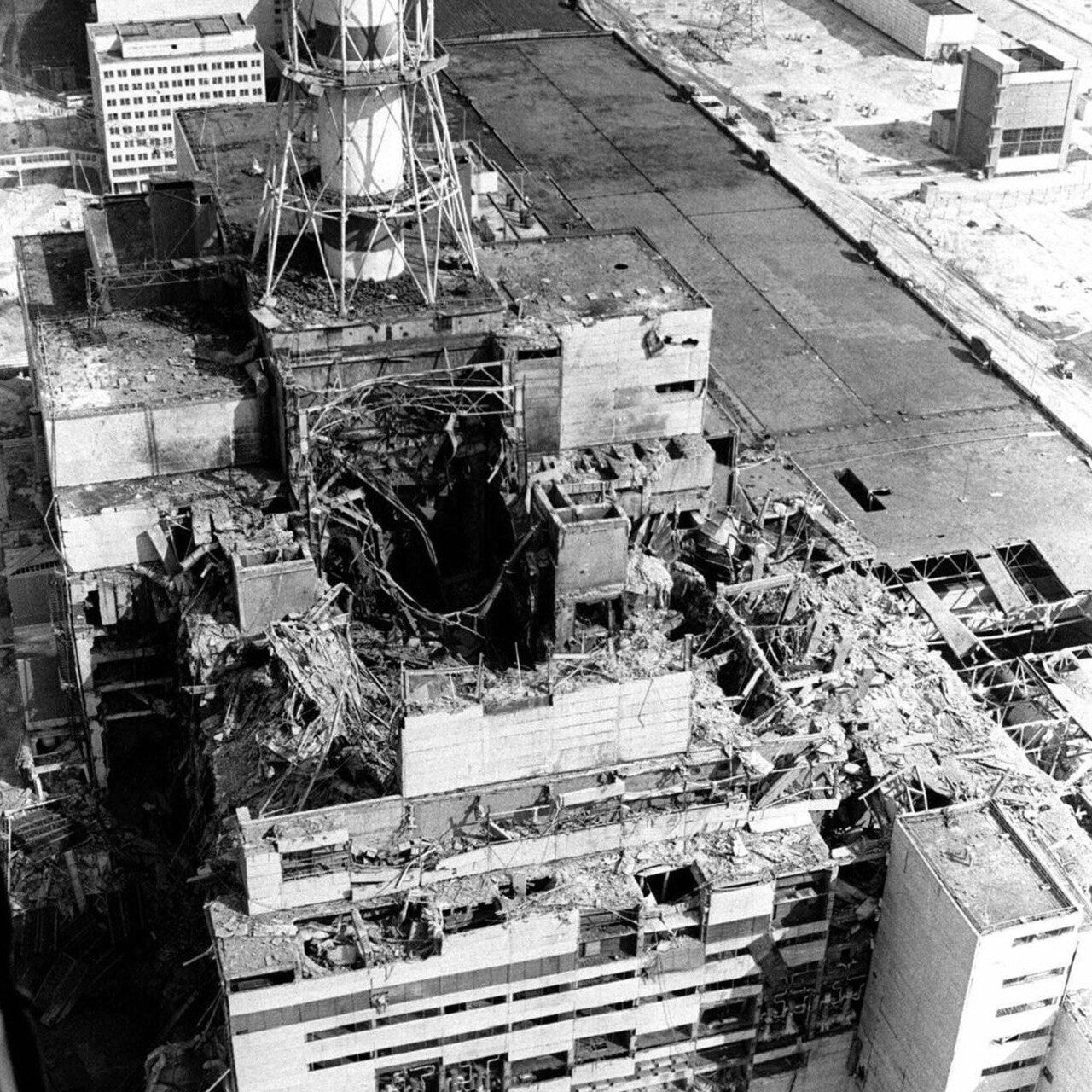
With 2026 being the 40th anniversary of the Chernobyl disaster that would eventually give birth to many soviet-punk stories like Metro 2033 and STALKER, we thought we'd look back on one of our favorites, and very commonly mis-told stories from the earth-shattering meltdown of Reactor 4 in 1986.
Following the initial disaster, Firefighters poured massive amounts of water onto the burning reactor to quell the radioactive inferno. The basement of the nuclear facility began to flood with water, and engineers realized that if the molten nuclear material from the core of the reactor were to melt through its concrete foundation and come into contact with the water, a far worse disaster than the original explosion would occur.
The theory at the time was that if the corium were to reach the basement, it would cause a steam explosion that would cascade into the total destruction of the remaining reactors. Such an event would not only permanently soil much of Ukraine but spread radioactive fallout from Moscow to Berlin and even as far as Istanbul and Stockholm.
Here's where the story often gets muddied. The completely selfless actions of the "Chernobyl Three", Engineers Alexei Ananenko, Valeri Bezpalov, and Shift Supervisor Boris Baranov. Often referred to as a "Suicide Mission" or a "Dive" into the bowels of the most radioactive place on Earth, the men were tasked with a simple but extremely dangerous mission: go into the basement, where radiation levels were staggeringly high, and open the drains.
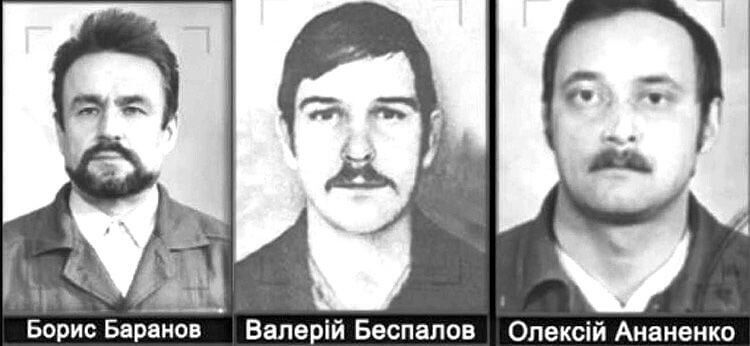
Unlike the frankly excellent HBO Series depiction of the events, the three men did not see it as a dramatic suicide mission — they were experienced enough to know where within the bowels of the plant they had to go, and they knew that they were the only men qualified enough to do it. No sense in sending a greenhorn on a veteran's mission.
With nothing more than wet suits, flashlights, and dosimeters, they descended into the pitch-black depths below the former reactor. Wading through knee-height irradiated water and a maze of pipes and valves, they worked quickly to try and drain the water before the reactor's core melted through the ceiling. Miraculously, they successfully located and opened the drain valves and returned to the surface not only as heroes of the Soviet Union, but of Europe.
The coming months after the three risked their lives for the sake of millions, 600,000 decontamination personnel, known as the Chernobyl Liquidators, took on the enormous task of cleaning up the incident. While the official numbers as to who among them died as a result of Acute Radiation Sickness (ARS) vary wildly, it has been estimated that several thousand died from the long-term health complications of the cleanup. Nevertheless, the magnitude of the disaster is probably the best possible outcome that could have been, given all the previous mistakes by the Soviet Union.

So how about the Three "Divers"? Didn't they all die soon after?
Much of what follows were where many of the misconceptions about this perilous task came up. The three men did not, in fact, die days later of ARS. In fact, despite showing some symptoms early on and suffering more than they should have due to a distinct lack of medical care, all three survived for many years after the incident.
Boris Baranov would die of a heart-attack in 2005, but the remaining two, Ananenko and Bezpalov, continued to work in the nuclear power industry long after the disaster, and 40 years later, are rumored to still be alive and well. In 2018 & 2019, Ukraine awarded the men with the "Order of Courage" and the highest state title of "Hero of Ukraine".
Whether it was by the grace of a higher power or simply sheer luck, it'd seem that fate looks upon the selfless with favor. Perhaps something we can all learn from when we venture into the zone...
Share:
The Brothers Berghaus: The Best of the Brits?